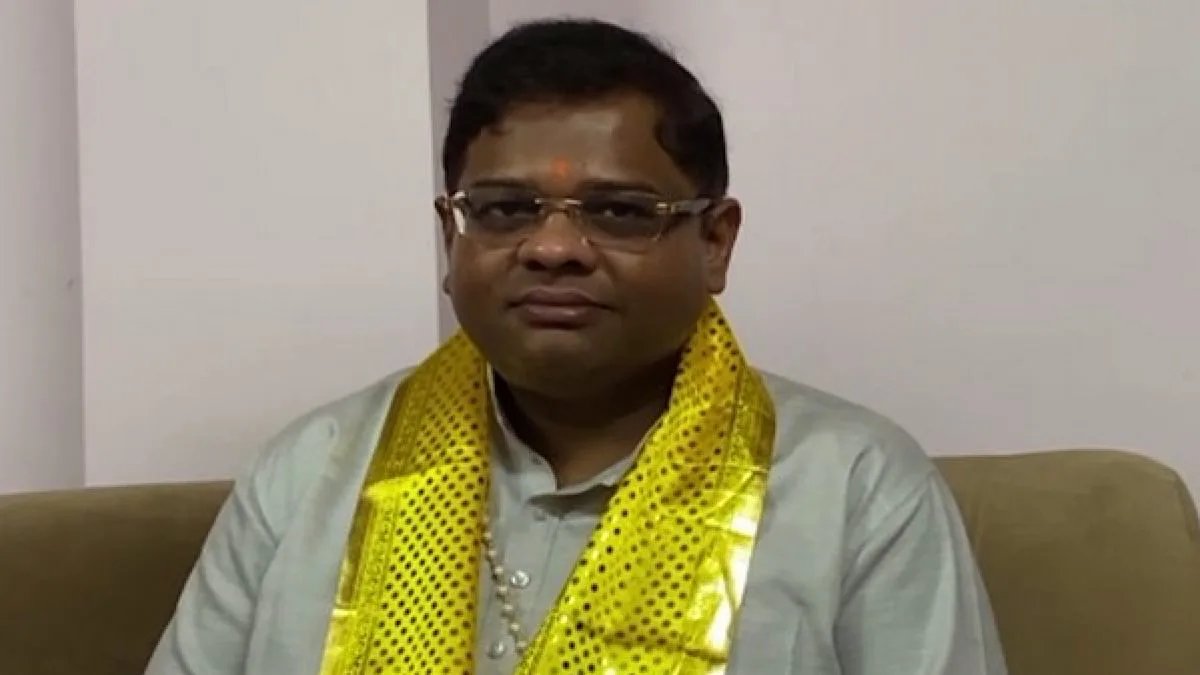
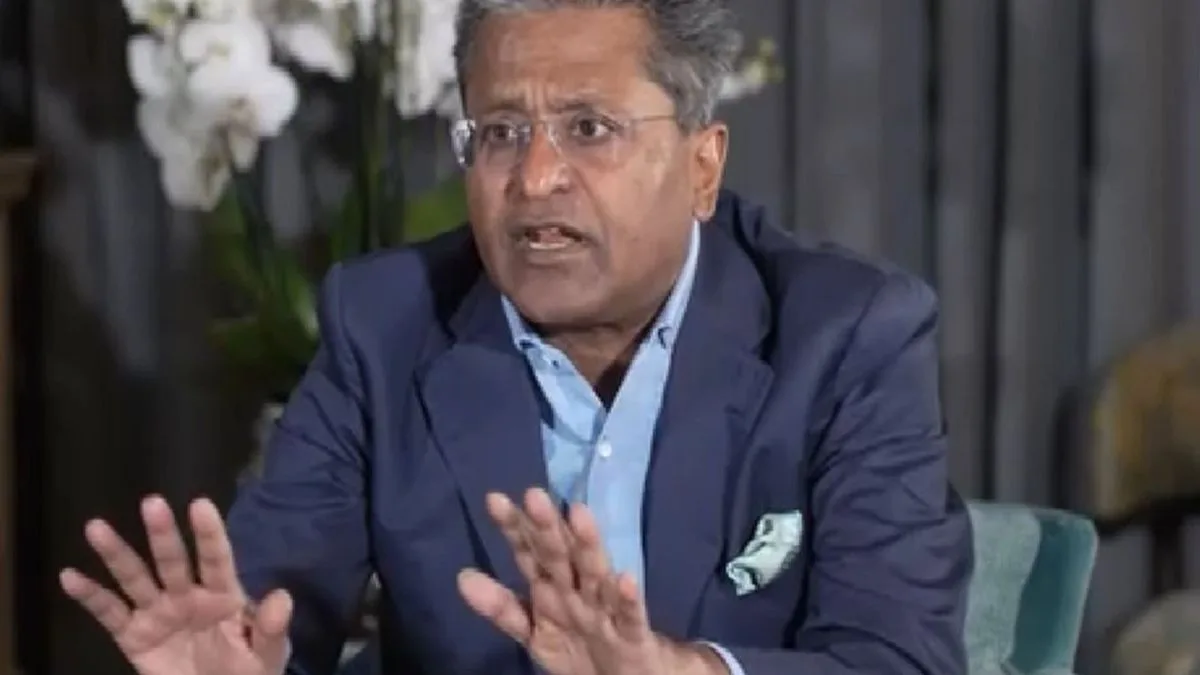
The Chhattisgarh High Court has directed Amit Jogi to surrender within three weeks in the Ram Avtar Jaggi murder case. The order has brought the 21-year-old case back into sharp focus and reignited political debate across the state. The ruling has triggered a fresh round of statements from both the ruling BJP and the opposition Congress, reflecting the continuing sensitivity of the case in Chhattisgarh’s political landscape.
Amit Jogi is the son of the late Ajit Jogi, the first Chief Minister of Chhattisgarh, who was once associated with the Congress before founding the Chhattisgarh Janta Congress (Jogi). Amit Jogi has remained a central figure in the case, which has seen multiple legal developments over the years.
Advertisement
The order was passed by a division bench headed by Chief Justice Ramesh Sinha while hearing an appeal filed by the Central Bureau of Investigation (CBI). The court set aside earlier relief granted to Jogi and directed him to surrender within 21 days.
Responding to the verdict, Amit Jogi termed the decision unjust and alleged that he was not given an opportunity to present his side. “The High Court accepted the CBI’s appeal in just 40 minutes without granting me a hearing. It is unfortunate that someone who was earlier acquitted has now been held guilty without being heard,” he said, adding that he would challenge the order in the Supreme Court.
The Bharatiya Janata Party (BJP) welcomed the ruling, describing it as a step towards justice. Senior party leader Naresh Gupta said individuals involved in such serious crimes must face punishment to maintain public faith in the system. BJP spokesperson Rajeev Chakravarty called the decision significant, stating that political violence has no place in the state’s democratic culture and that the judgment sends a strong message.
The Congress struck a cautious note, maintaining that the matter is sub judice. The party’s media in charge, Sushil Anand Shukla, said that the case had been reopened following directions from the Supreme Court and emphasised that all parties should present their arguments before the judiciary. He added that justice must be ensured without prejudice, given the long history of the case.
The case dates back to 4 June 2003, when Nationalist Congress Party (NCP) leader Ram Avtar Jaggi was shot dead in Raipur. A total of 31 accused were named, of whom two turned approvers. In May 2007, a Raipur special court convicted 28 accused and sentenced them to life imprisonment, while Amit Jogi was acquitted due to lack of evidence.
Satish Jaggi, son of the deceased NCP leader, challenged the acquittal in the Supreme Court. The apex court later directed the High Court to re-examine the matter, leading to the reopening of proceedings.
Investigating agencies had earlier submitted an extensive chargesheet running into over 11,000 pages, naming Jogi among the accused. Although he had been acquitted at the trial stage, the latest order has once again placed him at the centre of the case.
With the High Court now directing him to surrender, Amit Jogi has a limited window to seek relief from the Supreme Court. In the absence of any stay, he will be required to comply with the court’s order within the stipulated time.
The order has revived one of Chhattisgarh’s most high-profile political criminal cases. It has also intensified the political discourse around accountability and past violence, ensuring that the issue is likely to remain in focus in the days ahead.